


-

Add: HeBei ShengShi HongBang Cellulose Technology CO.,LTD.
-

Email
13180486930@163.com -

CONTACT US
+86 13180486930




In the realm of pharmaceuticals, HPMC stands for Hydroxypropyl Methylcellulose, a compound indispensable to the formulation processes within the industry. Renowned for its multifaceted applications, HPMC is primarily utilized as an excipient — a substance formulated alongside the active ingredient of a medication. Its role extends beyond mere filler, showcasing an impressive array of functionalities that facilitate product development, ensure quality, and enhance therapeutic effectiveness. Born from cellulose, the most abundant organic polymer on Earth, HPMC emerges through a sophisticated chemical modification process. This modification bestows upon it unique properties such as water solubility, high viscosity, and a non-toxic nature. These characteristics make HPMC a critical ingredient in a diverse array of pharmaceutical products, from tablets and capsules to ophthalmic solutions and topical applications. One of the key benefits of HPMC in tablet formulation is its function as a disintegrant. In the human body, tablets must break down into smaller particles to assure the bioavailability of the drug. HPMC facilitates this process . It swells upon contact with water, helping the tablet to disintegrate promptly, speeding up the release and absorption of the active pharmaceutical ingredient (API). This efficiency enhances the drug’s effectiveness and reliability, a crucial factor in patient satisfaction and trust in pharmaceutical products. Additionally, HPMC acts as a controlled-release agent. In sustained release formulations, HPMC matrices regulate the rate at which the API is dispensed into the system, providing a consistent therapeutic effect over an extended period. This not only maximizes the efficacy of the medication but also improves patient compliance by reducing the frequency of doses required per day. In capsule production, HPMC is celebrated as a vegan alternative to gelatin. Increasingly, consumers are demanding plant-based options in their medicinal products, and HPMC serves this niche perfectly. It forms the backbone of non-animal-based capsules, ensuring that users adhering to vegan lifestyles or with dietary restrictions have access to safe and compliant pharmaceutical options. hpmc full form in pharma Beyond oral medications, HPMC's significance extends to topical pharmaceuticals. Its thickening and stabilizing attributes are particularly beneficial in creams and gels, ensuring the even distribution of the active substances across the applied surface area. In eye drops, HPMC's mucoadhesive properties prolong the retention time of the drops on the ocular surface, maximizing therapeutic contact time and enhancing patient comfort. Backed by comprehensive testing and approval from health regulatory bodies worldwide, HPMC is acknowledged as a safe and effective compound. Preclinical trials consistently affirm its biocompatibility and non-toxic nature, key attributes that bolster its standing as a preferred excipient in the pharmaceutical industry. Industry experts consistently highlight HPMC's versatility and reliability. Dr. Elaine Baxter, a leading pharmaceutical scientist, notes, The adaptability of HPMC in responding to varied formulation needs is unparalleled. It allows for innovation in drug delivery systems, paving the way for more personalized and effective therapies. As the pharmaceutical landscape evolves towards personalized medicine, the importance of excipients like HPMC is amplified. It plays a crucial role not only in the development of current oral, ophthalmic, and topical therapies but also blazes the trail for future innovations in drug delivery technologies. Researchers are actively exploring its potential in developing nanoparticles and 3D-printed medications, which could revolutionize how we perceive and administer treatments. In conclusion, HPMC's full form — Hydroxypropyl Methylcellulose — signifies much more than its name suggests. It embodies innovation in pharmaceutical formulation, providing expertise and reliability that underscore the efficacy and safety of countless medicinal products. Its diverse applications furnish the pharmaceutical industry with a tool that enhances product development, meets evolving consumer demands, and ultimately, manifests in therapeutic trustworthiness and authority.
- 40000tons

Production
- 20+years

Experience
- 5000+㎡

Acreage

-
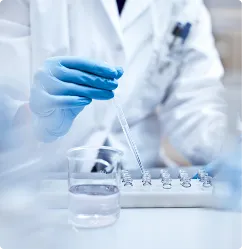
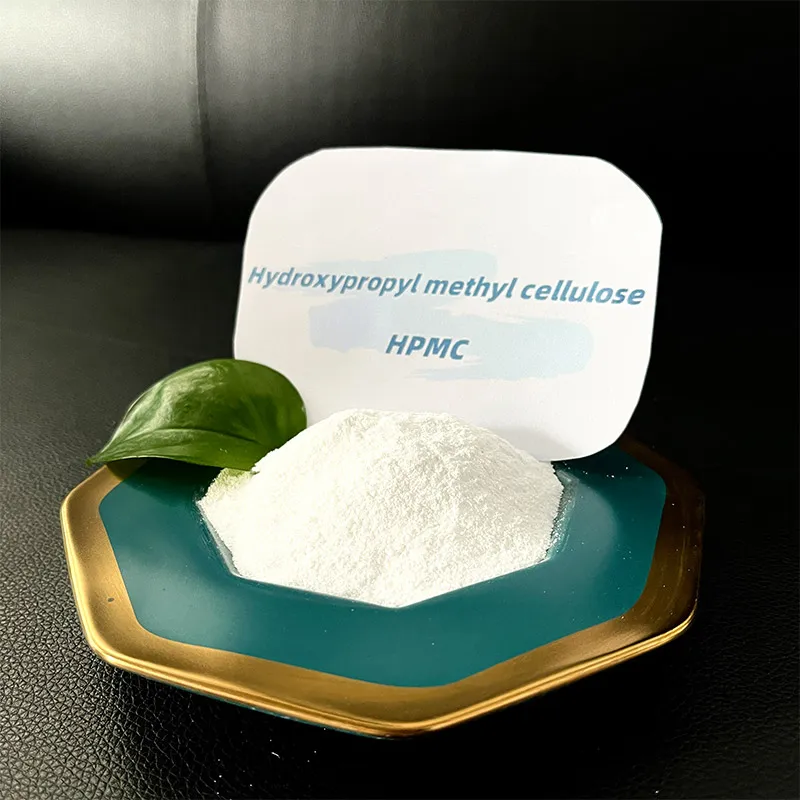
Tylose HPMC, commonly known as Hydroxypropyl Methylcellulose, is a multifunctional ingredient that continues to gain traction globally, particularly in the construction, pharmaceutical, and food industries. Its unique properties make it essential for enhancing product performance across various applications, from thickening agents in food products to adhesive functionalities in construction materials. Understanding its versatility not only highlights the expertise behind its formulation but also instills trust in industries relying on its advantages. Within the construction sector, Tylose HPMC is celebrated for its role in improving the workability and performance of construction materials. When integrated into cement-based products, it acts as a water retention agent, significantly enhancing the open time and working conditions of tile adhesives, plasters, and mortars. This is pivotal for construction professionals seeking products that offer consistent quality and ease of application. In addition, Tylose HPMC contributes to improved adhesion and sag resistance, ensuring stability and longevity of the applied products, a factor critically acclaimed by construction experts who prioritize durability. In pharmaceutical formulations, Tylose HPMC is revered for its efficacy and safety. It serves as a binder in tablet manufacturing, providing mechanical strength and controlled release properties essential for high-quality pharmaceutical products. This utility is validated by numerous studies showcasing its biocompatibility and non-toxicity, which are paramount for applications where product safety is of utmost importance. The molecule's ability to form a protective colloid also lends to its use in ophthalmic solutions, where it helps in retaining moisture and providing soothing relief, assuring medical professionals of its adaptability and reliability in sensitive applications. The food industry leverages Tylose HPMC for its thickening and stabilizing properties . Its use in food products like sauces and dressings results in desirable textures and consistency without altering the taste. Recognized for being non-digestible and therefore not contributing to calorie intake, it offers an appealing solution for developing low-calorie and dietary-specific products. Food technologists value this capability, as it aligns with the increasing consumer demand for health-oriented products without compromising on sensory attributes. tylose hpmc Tylose HPMC’s environmental benefits cannot be overlooked, particularly its role in promoting sustainability. Derived from cellulose, a plant-based raw material, Tylose HPMC is biodegradable, exerting minimal impact on the environment. Its ability to replace synthetic alternatives in various applications endorses its use in industries aiming for greener and more sustainable practices. This adaptability not only champions eco-friendliness but also reaffirms the trust of environmentally conscious manufacturers and consumers. The credibility of Tylose HPMC is further solidified by its inclusion in various industry standards and certifications, which authenticate its quality and efficacy across applications. Users and developers around the world rely on these endorsements to ensure they are incorporating a component that adheres to the top-tier standards of performance. This authoritative backing is crucial for professionals who demand consistent results, pushing Tylose HPMC to become a staple choice globally. In essence, Tylose HPMC's unique properties underscore its status as an indispensable material across multiple industries, reinforcing its standing as a product of scientific expertise and trustworthiness. Its ability to address critical functionalities, from enhancing construction material performance to contributing to advances in pharmaceutical and food technology, exemplifies the depth of its application spectrum. As industries continue to innovate and enhance their offerings, the role of Tylose HPMC becomes increasingly significant, bridging the gap between advanced material solutions and sustainable practices.
-

Le Polypropylène Un Acteur Clé dans l'Industrie des Matériaux Le polypropylène, un polymère thermoplastique issu de la polymérisation du propylène, est devenu un matériau incontournable dans diverses industries. Il est largement utilisé en raison de sa polyvalence, de sa légèreté, et de sa résistance aux produits chimiques. Son utilisation s'étend des emballages aux textiles, en passant par les composants automobiles et les biens de consommation. Propriétés du Polypropylène Le polypropylène se distingue par plusieurs propriétés qui en font un choix privilégié pour de nombreuses applications. Tout d'abord, ce matériau est exceptionnellement résistant à la chaleur, ce qui le rend adapté à des environnements où d'autres plastiques pourraient fondre ou se déformer. De plus, il présente une excellente résistance aux chocs, une durabilité qui lui permet de résister à un usage intensif, et il est également imperméable à l'eau, ce qui le rend utile pour les produits ayant des besoins de résistance à l'humidité. Une autre caractéristique remarquable du polypropylène est sa légèreté. Cela permet de réduire le poids des produits finaux, ce qui est particulièrement avantageux dans l'industrie automobile où chaque kilogramme économisé peut améliorer l'efficacité énergétique des véhicules. Enfin, le polypropylène est recyclable, ce qui est essentiel dans une époque où la durabilité et la réduction des déchets sont des préoccupations majeures. Applications du Polypropylène produsen serat polipropilen Les applications du polypropylène sont vastes et variées. Dans le secteur de l'emballage, par exemple, il est utilisé pour fabriquer des films d'emballage, des containers et des bouteilles en plastique. Sa résistance à l'humidité et aux produits chimiques le rend idéal pour les matériaux d'emballage alimentaires, contribuant ainsi à prolonger la durée de conservation des produits. Dans l'industrie textile, le polypropylène est utilisé pour fabriquer des non-tissés, des vêtements, et des tapis. Sa capacité à être teint et à conserver sa forme en fait un choix idéal dans la mode et le design d'intérieur. De plus, dans le secteur automobile, le polypropylène est utilisé pour des pièces intérieures, des panneaux de porte et des composants structuraux, offrant une combinaison de légèreté et de robustesse. Avantages Environnementaux L'un des avantages les plus significatifs du polypropylène est sa recyclabilité. De nombreux pays ont mis en place des systèmes de collecte pour encourager le recyclage des plastiques, y compris le polypropylène. En repensant notre approche de l'utilisation des plastiques, nous pouvons contribuer à la réduction des déchets plastiques dans les décharges. De nombreuses entreprises se tournent vers des matériaux recyclés pour produire de nouveaux produits en polypropylène, favorisant ainsi une économie circulaire. Conclusion En somme, le polypropylène représente un matériau essentiel dans le monde moderne. Sa combinaison unique de propriétés, sa légèreté, sa résistance et sa recyclabilité en font un choix idéal pour une multitude d'applications. Alors que le monde continue de se concentrer sur la durabilité et l'innovation, le polypropylène est bien positionné pour jouer un rôle de leader dans le développement de solutions matérielles durables et efficaces. L'avenir du polypropylène semble prometteur, tant pour les producteurs que pour les consommateurs, dans un monde où les choix de matériaux durables sont de plus en plus déterminants.
advantages
-

200000 Viscosities
Excellent product
We can produce pure products up to 200,000 viscosities
-

40000 tons
High yield
We don’t stop production all year round, and the annual output can reach 40,000 tons
-

24 hours
Quality service
We provide 24-hours online reception service, welcome to consult at any time
———— Inquiry Form
Schedule A services
-
 redispersible_na_pulbos
Oct . 25, 2025
Large format tiles are becoming increasingly popular in both residential and commercial construction -
 paggamit_ng_hydroxypropyl_methylcellulose
Oct . 25, 2025
The Rise of PP Fiber Manufacturers A Look into the Industry In recent years, the global demand for p -
 hpmc_gelling_agent
Oct . 25, 2025
Glass filled polypropylene, commonly known as glass filled PP, is a marvel of modern engineering tha


